

Introduction
College life can be overwhelming, especially when you are juggling multiple subjects, assignments, and deadlines at once. In today’s fast-changing education system, students need smarter ways to stay organized and focused. Keeping your notes structured is one of the biggest challenges, and this is where note taking apps for college students become incredibly useful. They help you capture ideas quickly, organize information efficiently, and access your notes anytime, anywhere.
In modern education, relying only on traditional notebooks is no longer enough for many students. With the help of note taking apps for college students, you can store lecture notes, create to-do lists, and even collaborate with classmates. These apps not only save time but also improve your productivity and overall learning experience.
What is Note Taking Apps for College Students?
Note taking apps for college students are digital tools designed to help students record, organize, and manage their study materials in a structured way. Instead of writing everything on paper, students can use these apps on their smartphones, tablets, or laptops to create and store notes efficiently.
These apps often come with advanced features such as cloud storage, search functionality, multimedia support, and synchronization across devices. This means you can access your notes anytime, edit them easily, and never worry about losing important information again.
Why is Note Taking Apps for College Students Important?

Using note taking apps for college students is important because it simplifies the entire learning process. Students can quickly capture information during lectures without worrying about messy handwriting or missing key points. Everything is stored digitally, making it easier to review later.
Another major benefit is organization. These apps allow you to categorize notes by subject, topic, or date. This makes studying more efficient, especially during exams when you need quick access to important material. Additionally, many apps offer collaboration features, allowing students to share notes and work together on group projects.
Detailed Step-by-Step Guide
Step 1: Choose the Right App
Start by selecting a note-taking app that fits your needs. Some apps focus on simplicity, while others offer advanced features like task management and collaboration. Consider factors such as ease of use, device compatibility, and available features.
Step 2: Set Up Your Account
After choosing an app, create your account and set up your profile. Most apps allow you to sync your data across devices, so make sure to enable this feature. This ensures that your notes are always backed up and accessible.
Step 3: Organize Your Notes
Create folders or categories for each subject. For example, you can have separate sections for math, science, and literature. This helps keep your notes structured and easy to navigate.
Step 4: Use Formatting Tools
Take advantage of formatting options such as headings, bullet points, and highlights. This makes your notes more readable and helps you quickly identify important information.
Step 5: Add Multimedia Elements
Many note taking apps for college students allow you to include images, audio recordings, and even videos. Use these features to enhance your notes and make learning more engaging.
Step 6: Review and Update Regularly
Make it a habit to review your notes after each class. Update them with additional information or corrections. This reinforces your understanding and keeps your notes accurate.
Step 7: Sync and Backup
Always ensure your notes are synced with the cloud. This prevents data loss and allows you to access your notes from any device.
Benefits of Note Taking Apps for College Students
- Easy access to notes anytime and anywhere
- Better organization of study materials
- Improved productivity and time management
- Ability to include multimedia content
- Quick search functionality to find information
- Collaboration with classmates on shared notes
- Reduced reliance on paper and physical notebooks
- Automatic backups to prevent data loss
Disadvantages / Risks
- Dependence on electronic devices
- Risk of distraction from other apps or notifications
- Some apps require a subscription for premium features
- Technical issues such as app crashes or syncing errors
- Learning curve for beginners unfamiliar with digital tools
- Battery dependency can limit access during long days
Common Mistakes to Avoid
One common mistake students make is not organizing their notes properly from the start. When everything is stored randomly, it becomes difficult to find important information later. Always create a clear structure for your notes.
Another mistake is relying too much on copying information without understanding it. Note taking apps for college students should be used to summarize and simplify concepts, not just store raw data. Additionally, ignoring regular review can reduce the effectiveness of your notes. Make sure to revisit and update them frequently.
FAQs
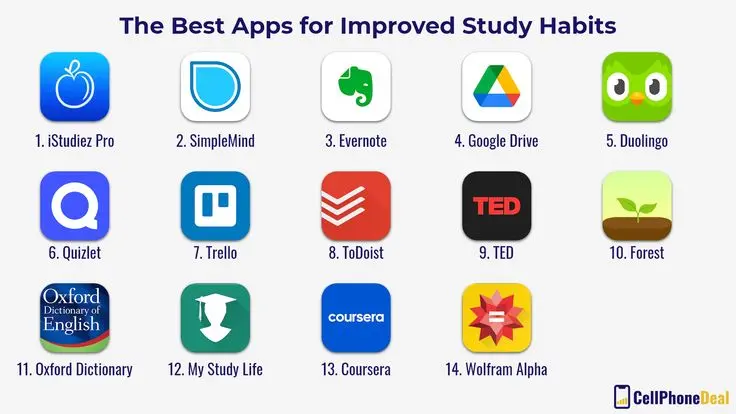
1. What are the best note taking apps for college students?
There are many great options available, including apps that focus on simplicity and others with advanced features. The best app depends on your personal needs, such as organization, collaboration, or multimedia support.
2. Are note taking apps better than traditional notebooks?
Note taking apps offer more flexibility and convenience compared to traditional notebooks. However, some students still prefer handwriting for better retention. It depends on your learning style.
3. Can I use note taking apps offline?
Yes, many apps allow offline access. You can take notes without an internet connection, and they will sync once you are online again.
4. Are these apps free to use?
Most note taking apps for college students offer free versions with basic features. Premium versions may include advanced tools and additional storage.
5. How do note taking apps improve productivity?
They save time by organizing information, enabling quick searches, and allowing easy access to notes. This helps students focus more on learning rather than managing materials.
6. Is it safe to store notes in these apps?
Most apps use secure cloud storage to protect your data. However, it is always a good idea to use strong passwords and enable security features.
Expert Tips & Bonus Points
To get the most out of note taking apps for college students, try using a consistent format for all your notes. This makes it easier to review and understand your material later. Use headings, bullet points, and highlights to organize information clearly.
Another useful tip is to combine note-taking with task management. Many apps allow you to create to-do lists and reminders. This helps you stay on top of assignments and deadlines. Additionally, consider using color coding to differentiate between subjects or topics for better visual organization.
You should also experiment with different features to find what works best for you. For example, some students prefer typing notes, while others like using a stylus for handwritten notes. Finding your preferred method can significantly improve your learning experience.
Conclusion
In conclusion, note taking apps for college students have become essential tools in modern education. They offer a convenient and efficient way to manage study materials, improve organization, and enhance productivity. By using these apps effectively, students can simplify their academic workload and focus more on understanding concepts.
While there are some drawbacks, such as dependency on devices and potential distractions, the benefits far outweigh the risks when used correctly. Choosing the right app and following a structured approach can make a significant difference in your academic performance.
Ultimately, the key to success lies in consistency and proper usage. Make it a habit to organize, review, and update your notes regularly. With the right strategy and tools, note taking apps for college students can transform the way you study and help you achieve better results throughout your college journey.
