

Introduction
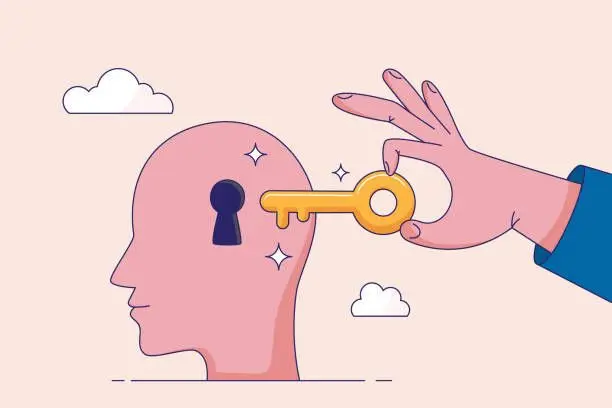
Critical thinking skills for students are essential in today’s fast-changing educational world. These skills help learners analyze information, question assumptions, and make better decisions instead of memorizing facts blindly. When students develop strong thinking abilities, they perform better in studies and real-life situations. In modern education, success is not just about remembering lessons but understanding them deeply and applying knowledge effectively.
Developing critical thinking skills for students also improves creativity and problem-solving ability. Students learn how to evaluate information, compare ideas, and identify logical errors. This makes learning more meaningful and practical. Instead of accepting everything at face value, they begin to ask “why” and “how,” which strengthens their understanding. As a result, they become more confident learners.
In this article, you will learn what critical thinking is, why it is important, and how students can build it step by step. You will also discover benefits, common mistakes, expert tips, and frequently asked questions to help you master this important skill.
What is Critical Thinking?
Critical thinking means the ability to think clearly, logically, and independently. It involves analyzing facts, evaluating evidence, and forming a well-reasoned judgment instead of relying on emotions or assumptions. For students, it is a skill that transforms passive learning into active understanding.
In simple words, critical thinking skills for students allow them to go beyond memorization. Instead of just accepting textbook information, they question, compare, and analyze it. This helps them understand subjects more deeply and improves academic performance across all fields.
Critical thinking also includes skills like reasoning, reflection, and problem-solving. It helps students break down complex problems into smaller parts and find effective solutions. Over time, this skill becomes a foundation for lifelong learning and success in education and career.
Why is Critical Thinking Important?

Critical thinking is important because it prepares students for real-world challenges. In education, it improves comprehension and helps students score better in exams by understanding concepts instead of memorizing them. It also encourages independent learning, which is essential for long-term success.
Another reason critical thinking skills for students are important is that they develop decision-making abilities. Students learn how to evaluate options and choose the best solution. This is useful not only in academics but also in daily life situations where logical thinking is required.
Moreover, critical thinking builds confidence. When students know how to think clearly and logically, they are less likely to be influenced by misinformation or peer pressure. This makes them more responsible, independent, and capable individuals.
Detailed Step-by-Step Guide
Step 1: Ask Questions Regularly
The first step in developing critical thinking skills for students is asking questions. Students should never accept information without understanding it. Asking “why,” “how,” and “what if” helps build curiosity and deeper understanding.
Teachers and parents should encourage students to question concepts instead of memorizing them. This habit trains the brain to think actively and improves learning quality.
Step 2: Analyze Information Carefully
Students should learn how to analyze information instead of just reading it. This means breaking down complex ideas into smaller parts and understanding each element clearly.
By comparing different sources and viewpoints, students can develop a balanced understanding of any topic. This reduces confusion and improves clarity.
Step 3: Evaluate Evidence
Evaluation is a key part of critical thinking skills for students. Students should learn to check whether information is reliable or not.
They should ask questions like: Is this fact supported by evidence? Is the source trustworthy? This helps avoid false or misleading information.
Step 4: Develop Logical Reasoning
Logical reasoning helps students connect ideas in a structured way. It allows them to form strong arguments based on facts instead of opinions.
Practicing puzzles, math problems, and case studies can improve logical thinking over time.
Step 5: Practice Problem-Solving
Problem-solving is a practical application of critical thinking. Students should practice solving real-life problems step by step.
This builds confidence and improves their ability to handle challenges in both academic and personal life.
Benefits of Critical Thinking Skills for Students
- Improves academic performance and understanding of subjects
- Enhances decision-making ability in daily life
- Builds confidence and independence
- Encourages creativity and innovation
- Helps in solving complex problems efficiently
- Reduces dependence on memorization
- Improves communication and reasoning skills
Disadvantages / Risks
- Requires time and consistent practice
- Can feel difficult for beginners initially
- May cause overthinking in some cases
- Needs proper guidance from teachers or mentors
- Not always encouraged in traditional learning systems
Common Mistakes to Avoid
Many students make mistakes while developing critical thinking skills for students. One common mistake is relying too much on memorization instead of understanding concepts deeply.
Another mistake is accepting information without verification. Students should always check facts and sources before believing anything. Avoiding curiosity is also a major issue, as questioning is the base of critical thinking.
FAQs
1. What are critical thinking skills for students?
Critical thinking skills for students refer to the ability to analyze, evaluate, and reason logically to understand concepts deeply instead of memorizing them.
2. Why do students need critical thinking?
Students need it to improve problem-solving, decision-making, and academic performance while preparing for real-life challenges.
3. Can critical thinking be learned?
Yes, it is a skill that can be developed through practice, questioning, and logical analysis.
4. How can students improve critical thinking?
They can improve by asking questions, solving problems, analyzing information, and practicing reasoning exercises.
5. Is critical thinking useful in exams?
Yes, it helps students understand questions better and write more accurate and analytical answers.
6. What subjects help build critical thinking?
Subjects like mathematics, science, and literature are especially helpful in developing critical thinking skills.
Expert Tips & Bonus Points
Experts suggest that students should practice reading different types of content to improve thinking abilities. Exposure to new ideas helps the brain develop stronger analytical skills.
Another important tip is to engage in group discussions. Talking about ideas with others helps students see different perspectives, which strengthens critical thinking skills for students.
Consistency is also key. Practicing critical thinking daily, even in small activities, leads to long-term improvement and better academic results.
Conclusion
Critical thinking skills for students are one of the most valuable abilities in modern education. They help students move beyond memorization and focus on understanding, analyzing, and applying knowledge effectively. These skills not only improve academic performance but also prepare students for real-life challenges.
By developing habits like questioning, analyzing, and evaluating information, students can become independent and confident learners. Over time, this leads to better decision-making and stronger problem-solving abilities. Education becomes more meaningful when students think deeply instead of just memorizing facts.
In conclusion, critical thinking skills for students are essential for success in both academic and personal life. With regular practice, patience, and the right guidance, every student can master this skill and achieve long-term growth.
